How to
USB-C Explained: Why Almost Every New Device Uses It Now
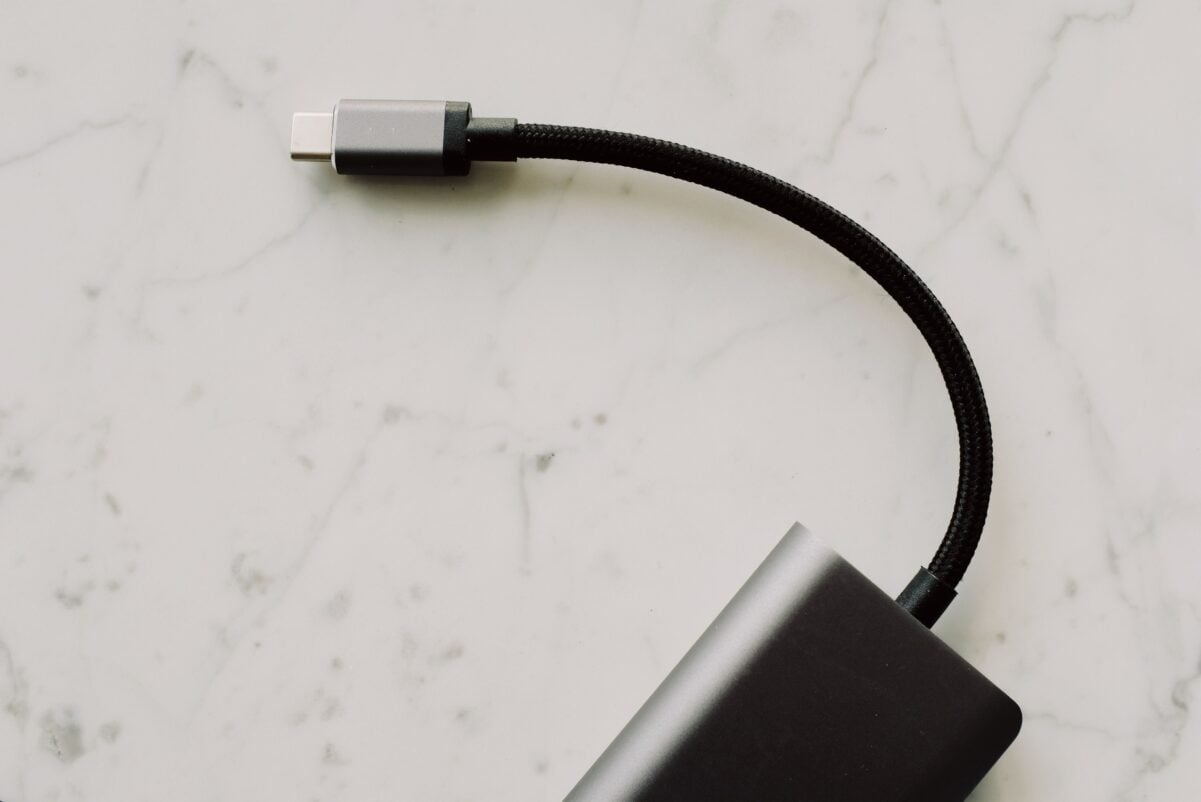
If you’ve purchased a new smartphone, laptop, tablet, or pair of headphones recently, you’ve probably noticed one thing they all have in common: USB-C.
What started as another charging cable has quickly become the standard connection for modern technology.
Today, USB-C can be found on devices from Apple, Samsung, Google, Dell, Lenovo, Nintendo, and countless other manufacturers. As older ports continue to disappear, USB-C is becoming the universal connector many consumers have wanted for years.
What Is USB-C?
USB-C is a type of connector designed to handle:
- charging
- data transfer
- video output
- accessory connections
Unlike older USB connectors, USB-C is reversible, meaning it can be plugged in either direction.
For many users, this alone feels like one of the greatest technological achievements of the last decade.

Why Is USB-C Becoming the Standard?
Technology companies have embraced USB-C because it simplifies the user experience.
Instead of carrying multiple cables, consumers can increasingly use a single connector for:
- smartphones
- laptops
- tablets
- gaming devices
- headphones
- external storage devices
This reduces cable clutter and makes it easier to travel with fewer accessories.
Faster Charging and Data Speeds
USB-C also supports faster charging and significantly improved data transfer speeds.
Depending on the device and cable, USB-C can support:
- fast charging
- high-speed file transfers
- external displays
- power delivery for laptops
Modern USB-C standards are capable of handling far more than previous USB generations.
Where You’ll Find USB-C Today
USB-C is now common on:
- Android smartphones
- newer iPads
- newer iPhones
- MacBooks
- Windows laptops
- handheld gaming systems
- wireless headphones
The transition accelerated significantly after regulators pushed for more standardized charging solutions across consumer electronics.
The Future of USB-C
USB-C is expected to remain the dominant connector for years to come.
While wireless charging continues to improve, physical connections remain important for:
- reliability
- speed
- compatibility
- convenience
For consumers, the continued adoption of USB-C means fewer cables, fewer adapters, and a simpler technology experience.
The Bottom Line
USB-C has become one of the most important standards in modern consumer technology.
From smartphones and laptops to gaming devices and accessories, its versatility has helped make it the preferred connector for manufacturers and consumers alike.
For once, the technology industry appears to agree on something. It’s a rare moment worth appreciating before someone inevitably invents USB-D.