How to
7 iPhone Settings You’ll Wish You Changed Sooner
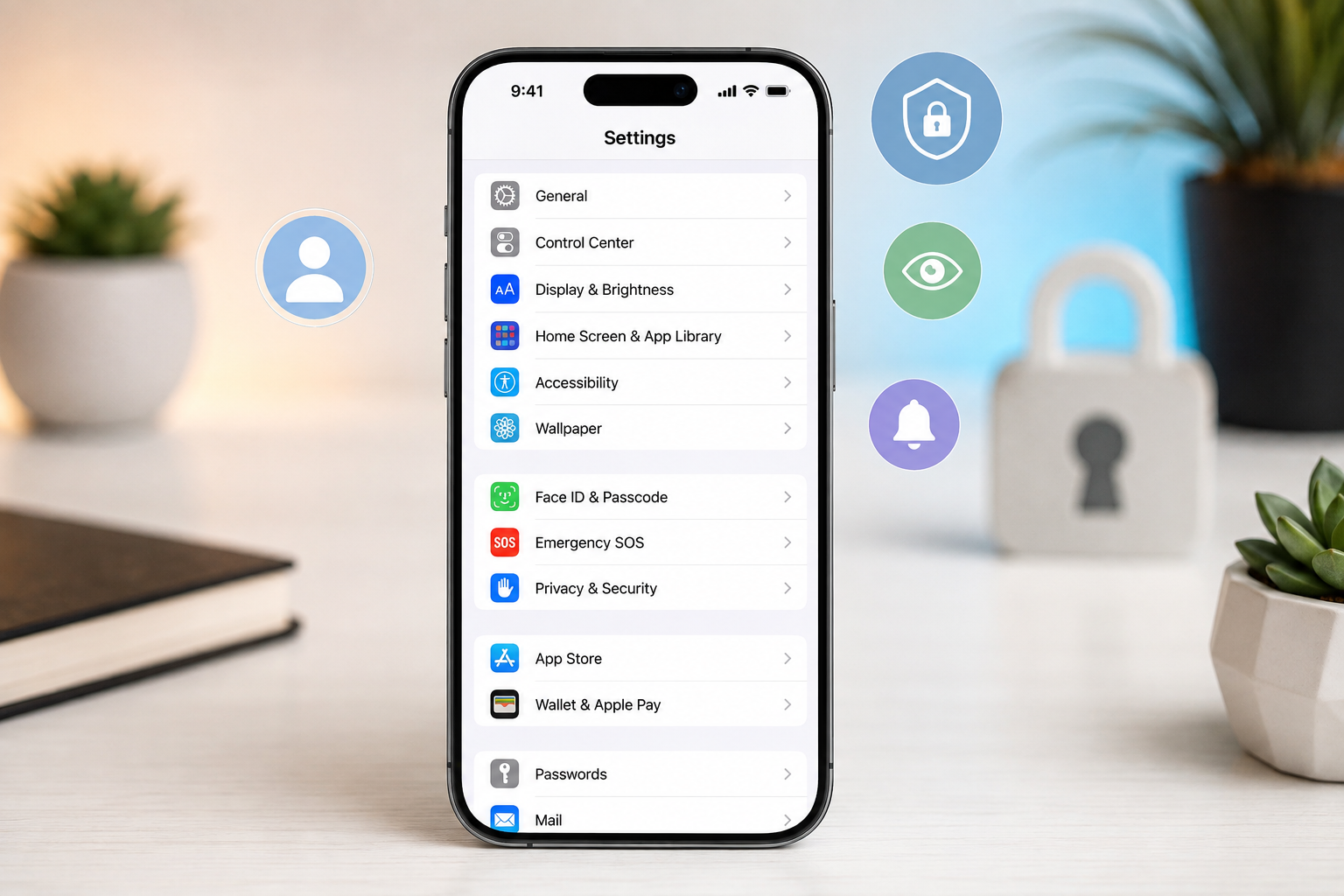
Your iPhone works pretty well straight out of the box, but some of its default settings aren’t necessarily the best choices for privacy, security or everyday use.
A few quick changes can make your iPhone less distracting, limit unnecessary tracking and give you more control over what apps can access. These iPhone settings to change only take a few minutes to review, and you may wonder why you didn’t change them sooner.
1. Stop Apps From Tracking You
Apps can request permission to track your activity across other companies’ apps and websites, primarily for advertising purposes.
Go to:
Settings > Privacy & Security > Tracking
From here, you can review which apps have permission to track you.
You can also turn off Allow Apps to Request to Track if you don’t want apps asking for tracking permission in the future.
2. Review Which Apps Can See Your Location
There’s a good chance more apps have access to your location than actually need it.
Go to:
Settings > Privacy & Security > Location Services
Review the apps individually.
For many apps, While Using the App makes more sense than allowing constant location access. You can also disable Precise Location for apps that only need a general idea of where you are.
Don’t automatically disable location access for everything. Navigation, weather and certain safety features legitimately use it.
3. Turn On Stolen Device Protection
If you haven’t enabled Stolen Device Protection, this is one of the most important iPhone settings to check.
Go to:
Settings > Face ID & Passcode > Stolen Device Protection
Stolen Device Protection adds additional security requirements when your iPhone is away from familiar locations.
It can make it harder for someone who steals your iPhone and knows your passcode to change critical security settings or gain access to your Apple Account.
4. Take Control of Your Notifications
Notifications can turn an otherwise useful phone into something that demands attention every six minutes.
Go to:
Settings > Notifications
Scroll through the list and ask yourself whether each app genuinely needs permission to interrupt you.
Games, shopping apps and apps you rarely use are good places to start.
You don’t necessarily have to disable notifications completely. You can change whether they appear on your Lock Screen, in Notification Center or as banners.
5. Check Background App Refresh
Background App Refresh allows apps to update information while you aren’t actively using them.
Go to:
Settings > General > Background App Refresh
You can disable the feature for individual apps that don’t need to constantly refresh.
If you’ve also noticed that your iPhone gets unusually warm, read our guide on Why Your iPhone Gets Hot and How to Fix It. Excessive background activity can sometimes contribute to both heat and battery use.
6. Change What Appears on Your Lock Screen
Your iPhone can display information and provide access to certain features without requiring you to unlock it.
Go to:
Settings > Face ID & Passcode
Scroll down to Allow Access When Locked.
You’ll see options that may include Control Center, Notification Center, Siri, Wallet and other features.
Decide which features you actually want accessible while your phone is locked. There’s no universal right combination, but it’s worth knowing what’s currently enabled.
7. Set Up Emergency SOS and Medical ID
This is one setting you hopefully never need, but it’s worth setting up correctly.
Go to:
Settings > Emergency SOS
Review how your iPhone can make an emergency call and make sure you understand the button combinations that trigger it.
Then open the Health app and review your Medical ID.
You can add emergency contacts and important information that can be available from your Lock Screen during an emergency.
Which iPhone Settings Should You Change First?
If you don’t want to go through every setting at once, start with privacy and security.
Review:
- App tracking
- Location permissions
- Stolen Device Protection
- Lock Screen access
- Emergency information
Then work through notifications and background activity.
There’s no reason to disable every feature simply because someone on the internet tells you to. The goal is to understand what your iPhone is doing and choose settings that make sense for how you use it.
One More Setting Worth Checking
While you’re already digging through Settings, open:
Settings > Battery > Battery Health & Charging
You can see your battery’s maximum capacity and whether iOS has detected any significant battery issues.
And if plugging the phone in has become the problem rather than the battery itself, our guide Phone Won’t Charge? 10 Fixes That Actually Work walks through the most common charging problems.
FAQ
Should I Turn Off All iPhone Tracking?
Not necessarily. Some location and tracking-related features provide useful functionality. Instead of disabling everything, review permissions app by app and decide whether each one actually needs the access you’ve given it.
Should Background App Refresh Be Turned Off?
You can turn it off completely, but you don’t have to. Disabling Background App Refresh for apps that don’t need constant updates is a good middle ground.
Is Stolen Device Protection Worth Turning On?
For most iPhone owners, yes. It adds another layer of protection against someone making critical changes to your account and security settings if your iPhone is stolen.
Will Changing These Settings Make My iPhone Faster?
These settings are primarily about privacy, security and usability. Reducing unnecessary background activity and notifications may improve the experience, but you shouldn’t expect these changes to transform an older iPhone into a new one.
This article may contain affiliate links. If you purchase through these links, we may earn a commission at no extra cost to you.
Helpful Products
- Check this out on Amazon: MagSafe-Compatible Charging Stand
- Check this out on Amazon: iPhone Privacy Screen Protector
- Check this out on Amazon: Apple AirTag